
A burst pipe can cause serious water damage if it is not repaired quickly. Our burst pipe specialists in Elephant and Castle provide a fast, reliable emergency service to isolate the leak, repair or replace damaged pipework, and restore your plumbing system as quickly as possible. Whether the burst pipe has been caused by freezing temperatures, corrosion, high water pressure or accidental damage, our experienced engineers have the expertise to resolve the problem efficiently. We use high-quality materials and proven repair methods to minimise disruption and help prevent future issues. If you need a dependable burst pipe repair service in Elephant and Castle, contact our team today for a fast response and a free, no-obligation quote.
A burst usually shows itself quietly at first — a flagging flow, a faint murmur of water, a damp patch spreading on a ceiling — for anyone watching for it. A burst does not always reveal itself with an obvious jet of water; often the first clues are quieter, and knowing them lets a Elephant and Castle household act before the damage spreads. A sudden, unexplained drop in pressure at the taps can mean water is escaping somewhere along a run. A hiss or a rushing sound behind a wall when no tap is open points the same way. Damp patches that appear and grow on a ceiling or wall, paint that bubbles, a musty smell, or a stretch of floor that feels cool and wet underfoot all deserve attention. Perhaps the surest sign is the water meter: if it keeps turning when every outlet in the property is closed, water is going somewhere it should not. Reading these signals early is half the battle, because a burst caught in its first hour does a fraction of the harm of one left to run overnight. It also pays to know where the internal stopcock sits and to check that it turns, since being able to shut off the supply quickly is the single most useful thing anyone can do while a repair is arranged and carried out. None of these signs is conclusive on its own, but together they build a picture, and a homeowner who takes two or three of them seriously rather than waiting for certainty is usually the one who catches a burst while it is still small.
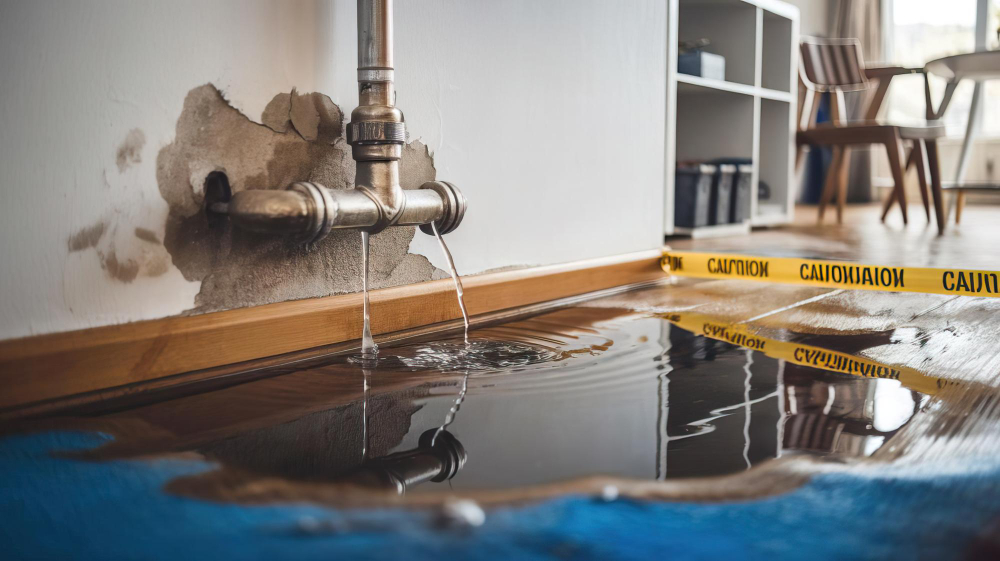
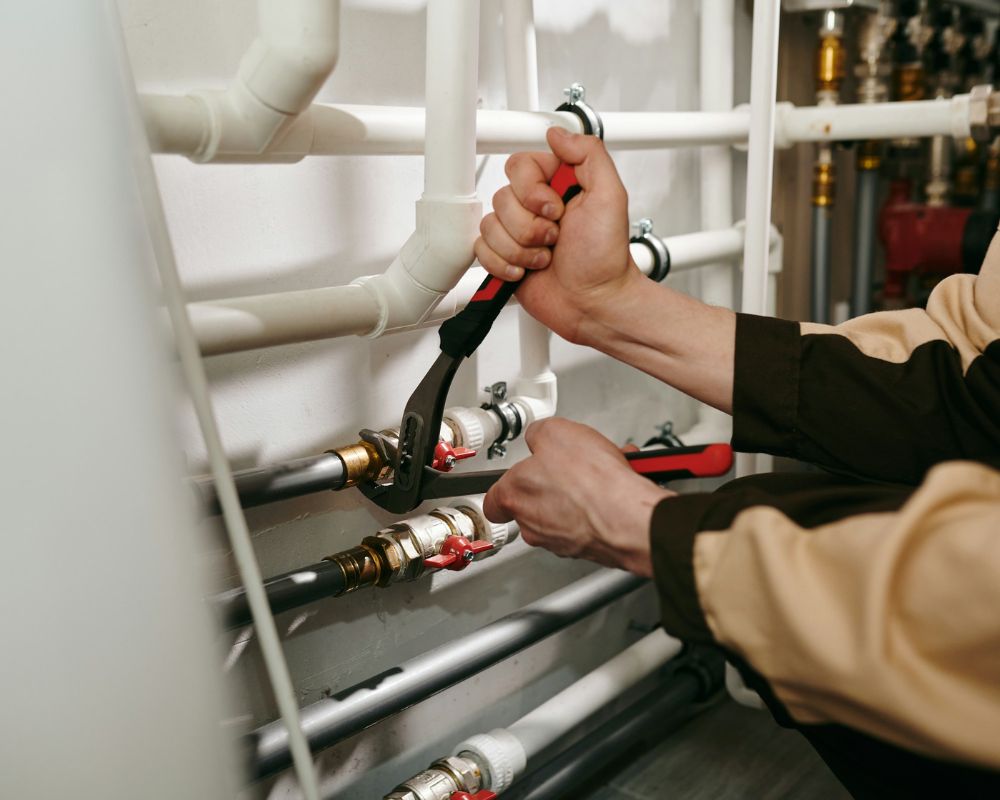
Nothing helps a burst while the water still runs, so an emergency response goes first to the stop valve and takes the supply out of play. The first and most important act in any emergency is to take the water out of the equation, and on a Elephant and Castle call-out that means isolating the supply before anything else. Where the burst is on internal pipework, the internal stopcock is closed; where it is on the incoming run, the outside stop tap does the job. Stopping the flow at once halts the escape, protects the property from further soaking and turns a fast-moving crisis into a situation that can be worked on calmly. Only with the pressure off is it sensible to begin examining the split itself — its length, the material of the pipe, and whether the section can be mended where it lies or must be cut out and replaced. Draining down the affected run removes the standing water that would otherwise hamper the repair. Throughout, the emphasis is on order: stop the water, make the area safe, then mend the pipe. Skipping straight to the repair while water is still flowing achieves little and usually makes the mess worse. A controlled start, with the supply firmly off, is what allows the rest of an emergency repair to proceed quickly and without fresh damage. It is for this reason that the location of the stop tap is the single most useful thing a household can know in advance, since the speed with which the water is shut off sets a ceiling on the damage that follows.
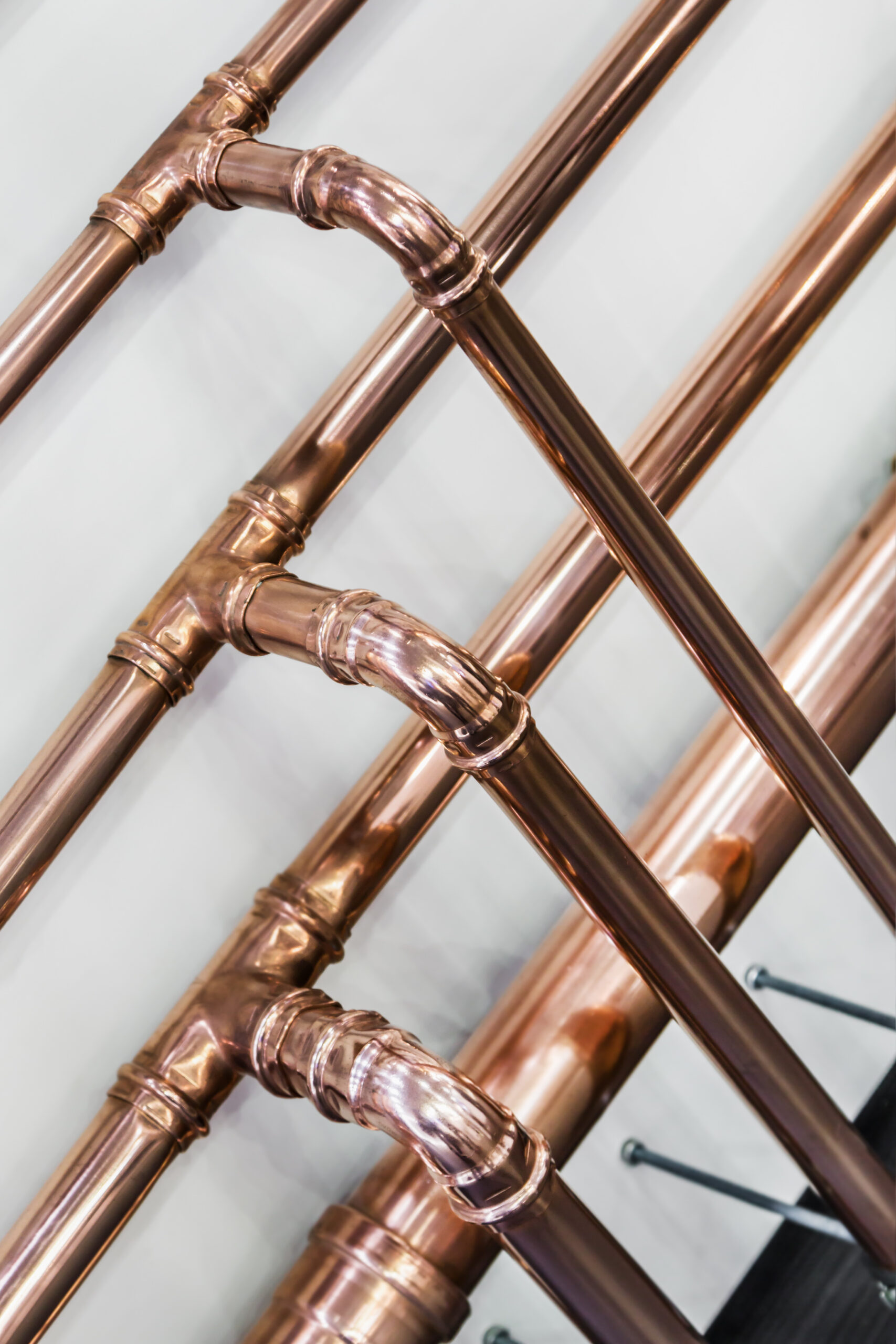
Copper shows up careless work fast, so a burst in it is met patiently — the failure read, the spoiled metal cut right out, and fresh pipe jointed in to fit. Precision Plumbers makes a burst copper pipe fix the methodical way, because copper rewards care and punishes shortcuts, and a Elephant and Castle home is best served by a repair that lasts. The first step is to read the failure — a freeze-split, a corrosion pinhole, a tired joint — since each calls for a slightly different approach. The damaged length is then drained and cut out cleanly, back to metal sound on both sides of the fault, because leaving compromised pipe in place only invites a repeat. The new section is jointed in by the method that suits the setting: soldered where there is room to work safely, or a compression or push-fit coupling where heat would be a hazard. Whichever is used, the connection is made fully watertight and as strong as the original run. The system is then refilled slowly and brought up to pressure while the repair is watched for any weeping, and only a joint that holds steady under full pressure is trusted. Done this way, the repair all but disappears once the supply is running, and the pipe is set fair for many more years. Understanding how copper fails is what lets it be put right properly rather than merely stopped. Carried out with that understanding, a copper repair is not a stopgap but a genuine restoration, returning the run to the quiet, dependable service it gave before the burst and asking nothing further of the household for years to come.
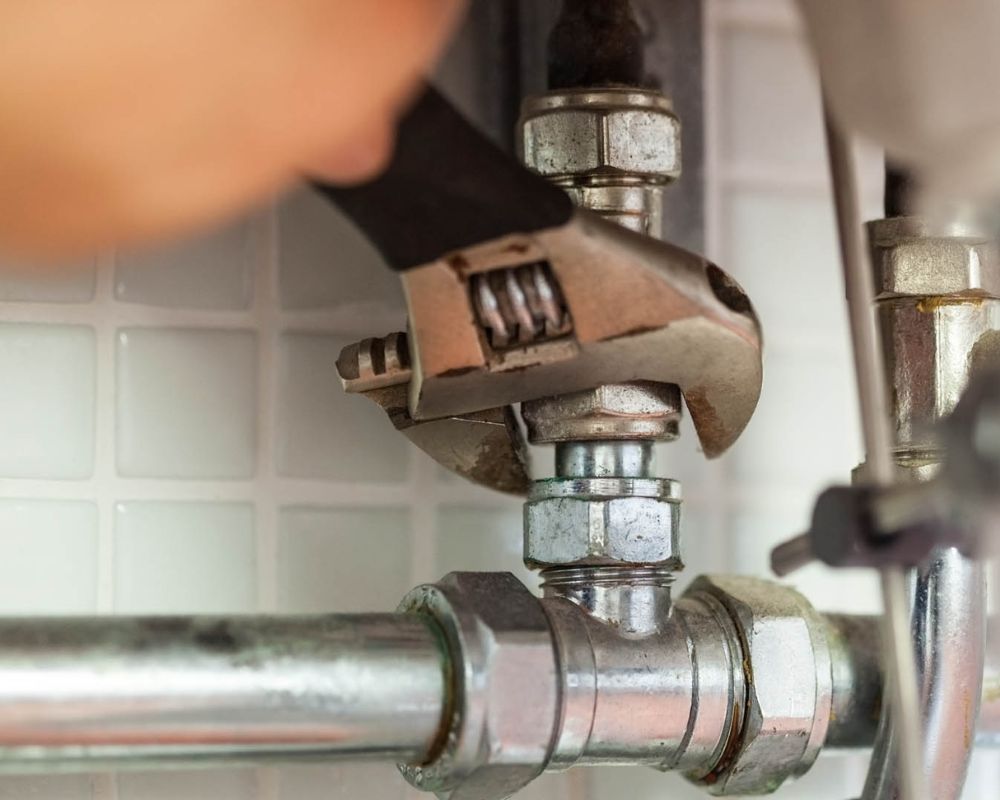
The pipe feeding a property may be lead, galvanised steel or modern blue plastic, and which has failed governs how the mains repair is made. The pipe bringing water into a Elephant and Castle property can be one of several materials, and knowing which makes a real difference to a mains repair. Older homes were often plumbed in lead, which is soft and prone to splitting, and which many owners choose to replace outright when a leak gives the opportunity. Galvanised steel was common for a period and corrodes from the inside over the years until it weeps or bursts. Modern supply pipes are usually blue MDPE, a tough plastic that resists corrosion and is jointed quite differently from the metals it replaced. Each behaves in its own way when it fails and is repaired by its own methods, so identifying the material is an early and important step. Where a length of old lead or failing steel has burst, replacing it with new MDPE is frequently the sounder long-term course, rather than patching a pipe that is likely to fail again elsewhere along its run. Matching the repair to the material — and taking the chance to upgrade an ageing supply where it makes sense — is what turns a mains burst into a lasting fix rather than a recurring nuisance. Taking the material into account from the outset — and weighing whether a tired old run is worth replacing rather than patching — is what turns a single repair into a lasting improvement to the supply as a whole.
Contact us 24/7. Our team will listen to your situation, provide an initial assessment, and give you a transparent quote for the emergency call-out. We aim to attend to your Elephant and Castle property on the very same day.
Our engineer arrives equipped with professional diagnostic tools. We identify the root cause of the issue immediately, ensuring the repair we provide is precise and long-lasting rather than a quick patch.
Once you approve the work, we get straight to it.. We work cleanly and efficiently to restore your service to full working order.
Before we leave, we conduct a thorough test of the system to ensure everything is functioning perfectly. We provide advice on preventing future issues and leave your home as tidy as we found it, backed by our professional guarantee.
Safety enquiries are our most frequent priority. Here are the common questions our Elephant and Castle customers ask when requesting an emergency plumbing repairs.
A burst pipe is one of those problems that can escalate quickly. What starts as a small issue can turn into major water damage in minutes, affecting walls, floors, electrics, and belongings. In many cases, the difference between a minor repair and a costly restoration job comes down to how fast the situation is handled.
That’s why having a trusted emergency plumbing service in Elephant and Castle makes such a difference. When a pipe fails, you need fast action, clear communication, and a proper repair that solves the issue first time. This guide explains what causes burst pipes, what to look out for, and how professional burst pipe repair works from start to finish.
Burst pipes don’t usually happen without warning, although the early signs are often easy to miss. One of the most common causes is freezing temperatures. When water freezes inside a pipe, it expands, putting pressure on the pipe walls until they crack or split. This is especially common in older properties or pipes located in uninsulated areas like lofts, garages, or external walls.
Another frequent cause is corrosion. Over time, metal pipes can weaken internally, especially in older plumbing systems. As the pipe structure deteriorates, it becomes more vulnerable to sudden failure.
High water pressure is another factor. While good pressure is important, excessive pressure can strain joints and fittings, eventually leading to leaks or bursts. Poor installation or movement in pipework can also create weak points that fail unexpectedly.
Whatever the cause, the result is the same: water escaping rapidly and the potential for serious damage if not dealt with quickly.
Sometimes a burst pipe is obvious, with water spraying or flooding an area. But in other cases, the signs are more subtle at first.
You might notice a sudden drop in water pressure or hear unusual sounds like banging or hissing within the walls. Damp patches appearing on ceilings or walls can also indicate a hidden pipe failure. In some cases, your water meter may continue running even when no water is being used.
Another common sign is an unexpected increase in your water bill. If usage hasn’t changed but costs have gone up significantly, it could point to a hidden leak or burst pipe.
Recognising these signs early can make a big difference in limiting damage and repair costs.
When you contact a professional burst pipe service in Elephant and Castle, the priority is always speed. Water damage can escalate quickly, so the first step is to respond as fast as possible and assess the situation.
Once on site, the engineer will identify the source of the burst. This may involve isolating sections of pipework and checking visible and concealed areas depending on where the issue is suspected.
The next step is to stop the water flow. This usually involves shutting off the main supply or isolating the affected section of pipe. This is essential to prevent further flooding and stabilise the situation.
After that, the damaged section is repaired or replaced. Depending on the severity, this could be a straightforward pipe repair or a full replacement of a damaged section. The goal is always to restore the system safely and efficiently using durable materials.
Once the repair is complete, the system is tested to ensure everything is working correctly and there are no further leaks.
With burst pipes, time is critical. Even a short delay can result in significant water damage. Water can quickly spread through floors and walls, affecting plaster, electrics, insulation, and flooring.
A fast response helps limit this damage and reduces the overall cost of repairs. It also helps protect the structural integrity of the property, especially if the burst has occurred in a concealed or hard-to-reach area.
That’s why emergency plumbing services in Elephant and Castle operate 24/7. Burst pipes don’t follow a schedule, and having access to rapid assistance at any time of day or night is essential.
Modern burst pipe repairs are not just about replacing a section of pipe. Experienced engineers use a combination of diagnostic tools and practical expertise to quickly identify the issue and choose the right repair method.
In many cases, the affected area can be isolated without unnecessary disruption to the rest of the plumbing system. This reduces repair time and keeps costs down.
Professional repair work also ensures the issue is properly resolved, reducing the risk of repeat problems in the future.
While not all burst pipes can be avoided, there are steps that can reduce the risk. Insulating exposed pipework is one of the most effective ways to prevent freezing in colder months. Regular maintenance checks can also help identify weak spots before they fail.
Monitoring water pressure is another important step. If pressure seems unusually high, it may be worth having it checked by a professional.
Older plumbing systems should also be inspected periodically, especially in properties with ageing pipework.
If you suspect a burst pipe, acting quickly is the most important step. Turning off the water supply and contacting an emergency plumber can significantly reduce damage and repair costs.
A reliable local service in Elephant and Castle will be able to respond quickly, assess the situation, and carry out effective repairs with minimal disruption.
Burst pipes are stressful, but with the right support, the situation can be resolved quickly and safely, helping you get your property back to normal as soon as possible.
WhatsApp us