Leak Detection Alperton
Expert Leak Detection Alperton
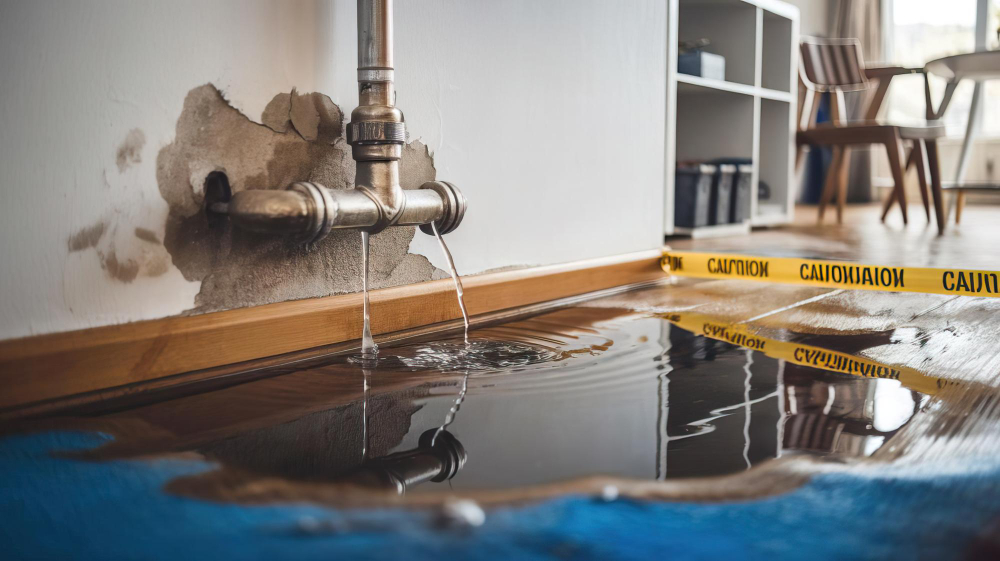
A recurring damp patch is one of the most frustrating symptoms a homeowner can face — wiped away, repainted, and back again within weeks — because it signals a source that has not been dealt with. Persistent damp of that kind almost always points to a concealed leak feeding it, and finding that source is exactly what leak detection sets out to do. Rather than treating the visible mark, an engineer traces the problem to its origin, reading the meter for hidden flow, testing the heating pressure, and mapping moisture through the structure to establish where water is escaping. In Alperton, where homes routinely run their pipework beneath solid floors and behind plaster, this evidence-led search is what finally breaks the cycle of damp that keeps returning. The discipline at the heart of the service is confirming the fault’s position before anything is opened, so the repair is precise rather than exploratory. Faults take many forms — a slow weep at a worn fitting, a corroded supply run, a fine fault on a pressurised circuit — and each leaves clues an experienced engineer can interpret. What the homeowner ultimately gains is an end to uncertainty: a clear diagnosis of whether a leak exists, exactly where it sits, and how to resolve it for good. Reaching that answer before the damp spreads further into plaster and flooring is the real point of the service — the source addressed rather than the symptom endlessly chased. Breaking that cycle for good is what makes precise detection so worthwhile, because once the true source is repaired, the recurring damp simply stops returning. The homeowner is left not with another temporary fix but with a settled, permanent resolution to a problem that had seemed endless.
Non-Invasive Leak Detection Alperton
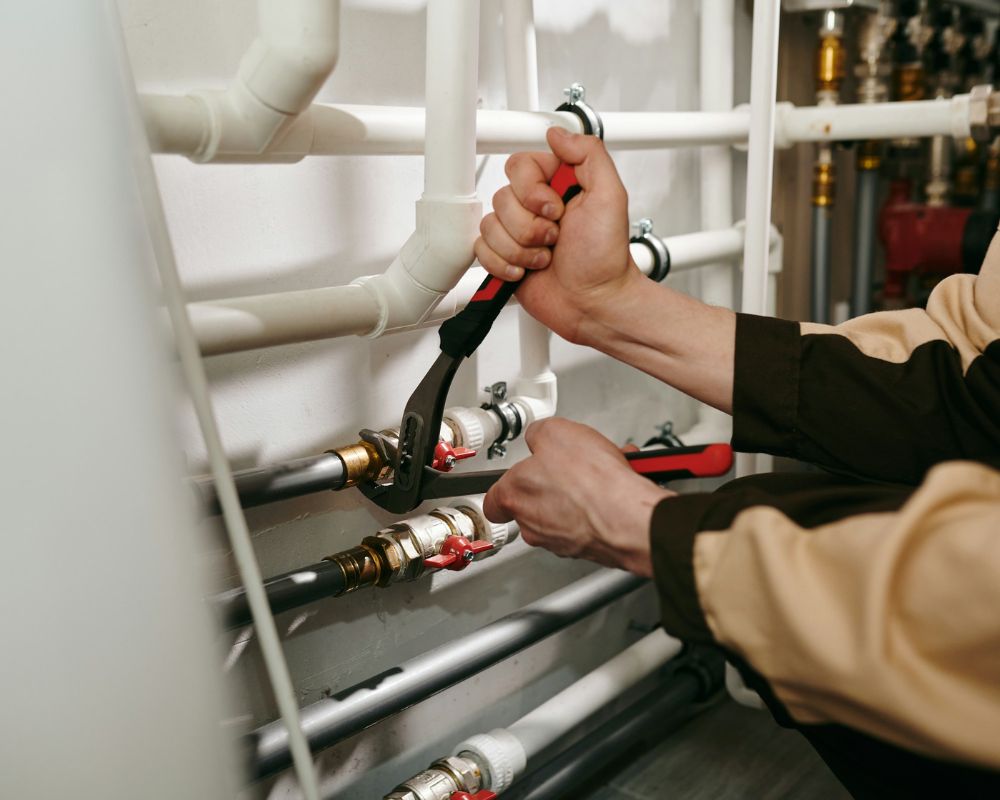
Modern leak detection draws on a small suite of complementary technologies, and understanding what each one contributes makes the non-invasive approach far less mysterious. Thermal imaging uses a camera to read temperature across floors and walls, so escaping heated water shows as a warm trail and a cold supply leak as a cool one. Acoustic equipment listens for the distinctive sound of water forcing its way out of a pressurised pipe, allowing the engineer to follow it to its source. Tracer gas, fed into drained pipework, rises through the structure and escapes at the exact point of the fault, where a probe detects it at the surface. Moisture meters map how far water has travelled and separate an active leak from old staining. The strength of the approach lies in combining them, because each answers a different question and their overlap turns a guess into a confident location. Applied together in an Alperton home, they pinpoint the problem without a floor being lifted on suspicion, so the repair is confined to one small, confirmed spot. For the homeowner that means no speculative damage to make good, no rooms turned over on the off-chance, and no doubt about whether the right area was found. The property stays intact and usable throughout, with the instruments carrying the search and access reserved for the single point that truly needs it. The combined readings also indicate how far the water has spread, giving the engineer a clear sense of the leak’s reach before any repair is planned. That understanding helps size the job accurately rather than discovering its true extent only once work has begun.
Trace and Access Specialists in Alperton
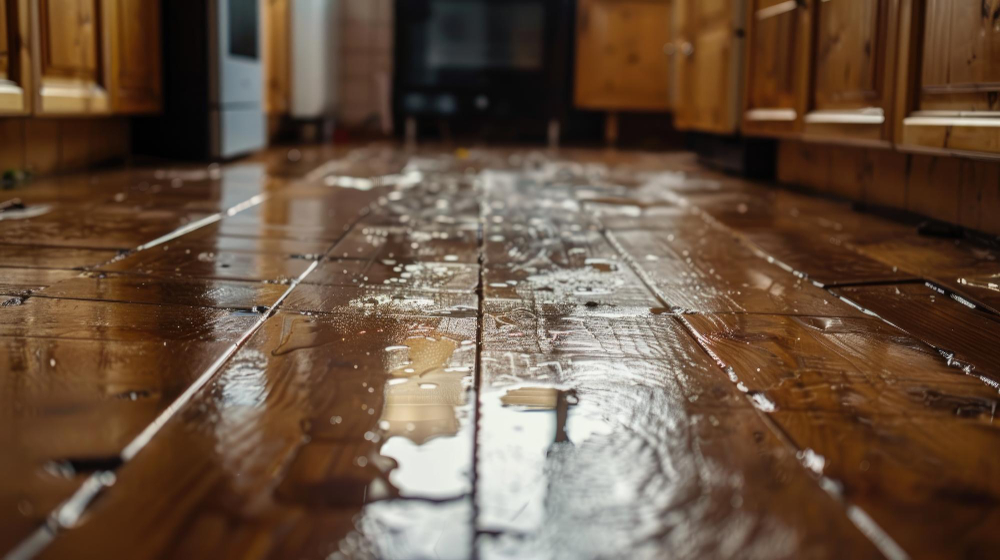
It is worth knowing exactly what trace and access cover involves, because many homeowners are entitled to more help than they realise. A large number of household insurance policies will pay for the work of locating a leak and gaining access to it — the tracing and the access — even where the repair to the pipe itself falls outside the cover. The condition is that insurers need clear evidence, and a thorough detection report provides it, setting out what was found, where, and by what method. Precision Plumbers documents the investigation precisely so the homeowner has that proof to submit. The access work follows naturally from the detection: with the location confirmed, the opening is kept small and deliberate, the minimum cut through screed or tiling needed to reach the fault. That restraint keeps the reinstatement contained, which matters where pipework is buried beneath floors or behind fixed fittings. For a homeowner in Alperton, the pairing of a precise opening with clear documentation often makes the difference between a claim that settles smoothly and one that stalls. The principle behind it is proportion — investigate enough to be certain, record it properly, and cut no more than is needed — and the result is a controlled process that resolves the fault, preserves the surrounding home, and gives the owner the evidence to recover what the policy allows. Reinstatement is approached with the finished result in mind, so that once the repair is complete the made-good area blends back in rather than standing out. A leak resolved should leave as little visible trace as the access honestly allowed.
Underfloor Heating Leak Detection
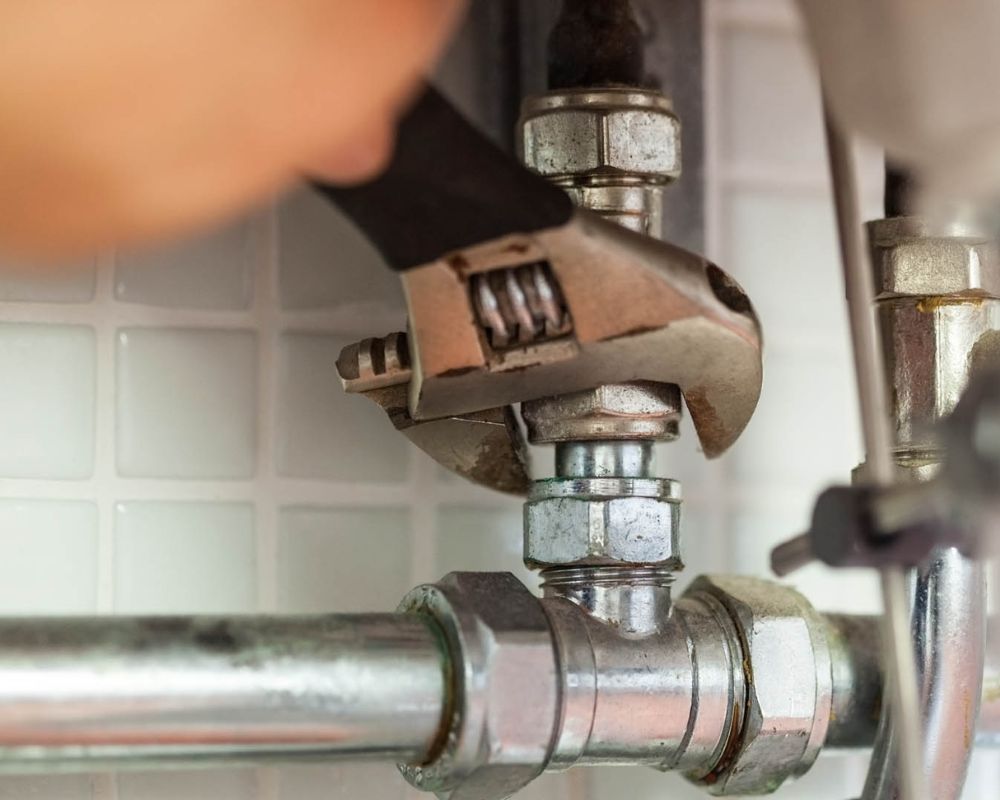
Judging how serious an underfloor heating leak is matters almost as much as finding it, because severity shapes how urgently the repair must follow. That assessment begins with a pressure test on the affected circuit: by isolating the loop and watching how quickly it loses pressure, an engineer can tell not only that a leak exists but roughly how fast water is escaping. A rapid drop points to a more significant fault than a slow, gradual loss. From there the manifold allows each circuit to be checked individually, narrowing the search to the loop at fault before any floor is disturbed. Thermal imaging then reads the heat across that area, revealing where flow has faltered or where escaping water is gathering beneath the surface, while acoustic listening and tracer gas sharpen the position on pressurised sections. The whole sequence is designed to keep the eventual repair contained to a small patch rather than spreading across a lifted floor. In Alperton, where underfloor heating is increasingly fitted in kitchens, bathrooms and extensions, that precision protects costly screed and finishes and spares the household a major upheaval. The aim from first test to final report stays the same: gauge the severity, locate the exact point where the heated circuit has failed, confirm it with evidence, and set out a contained route back to even, dependable warmth. Trapped air is then purged from the repaired circuit and the system rebalanced so warmth is distributed evenly once more, ensuring the loop that was leaking now performs exactly as the rest of the system does.
How Our Leak Detection Service Works in Alperton
Rapid Same-Day Attendance
Precise & Professional Results
Free Call-Outs on Larger Jobs
Dedicated Team Covering Alperton
Our Leak Detection Process
Request a Quote
Contact us 24/7. Our team will listen to your situation, provide an initial assessment, and give you a transparent quote for the emergency call-out. We aim to attend to your Alperton property on the very same day.
On-Site Assessment
Our engineer arrives equipped with professional diagnostic tools. We identify the root cause of the issue immediately, ensuring the repair we provide is precise and long-lasting rather than a quick patch.
The Precision Fix
Once you approve the work, we get straight to it.. We work cleanly and efficiently to restore your service to full working order.
Peace of Mind
Before we leave, we conduct a thorough test of the system to ensure everything is functioning perfectly. We provide advice on preventing future issues and leave your home as tidy as we found it, backed by our professional guarantee.
Frequently Asked Questions
Safety enquiries are our most frequent priority. Here are the common questions our Alperton customers ask when requesting an emergency plumbing repairs.
What are the signs that I may have a hidden water leak?
How do you detect hidden leaks?
Can you detect leaks without digging up my property?
What types of leaks can you find?
How quickly can you attend a leak detection appointment?
Contact us 24/7 if you suspect a leak in Alperton
Leak Detection: A Complete Guide for Homeowners and Businesses
Hidden water leaks are one of the most common and costly plumbing problems in both homes and commercial properties. Unlike a burst pipe or an obvious drip under the sink, many leaks develop quietly behind walls, under floors, or underground, often going unnoticed for weeks or even months. By the time they become visible, they can already have caused significant damage.
This guide explains what leak detection is, how professionals find hidden leaks, the warning signs to look out for, and why acting quickly can save you money and prevent long-term structural issues.
What Is Leak Detection?
Leak detection is the process of identifying and locating hidden water leaks within a plumbing system without causing unnecessary damage to the property. Instead of tearing up floors or breaking into walls to search blindly, specialist engineers use advanced tools and techniques to pinpoint the exact location of a leak.
This approach is far more efficient, less disruptive, and usually much more cost-effective than traditional “trial and error” methods.
Leak detection can be used in residential homes, commercial buildings, rental properties, and even large industrial systems. It covers all types of pipework, including:
- Mains water supply pipes
- Central heating systems
- Underfloor heating systems
- Underground pipework
- Internal plumbing within walls and ceilings
Common Causes of Hidden Leaks
Leaks can happen for many different reasons, and in many cases, they develop slowly over time. Some of the most common causes include:
1. Corrosion and ageing pipes
Over time, pipes naturally deteriorate. Metal pipes can corrode, and joints can weaken, leading to small leaks that gradually worsen.
2. High water pressure
Excessively high pressure places strain on your plumbing system, increasing the risk of leaks at joints, valves, and fittings.
3. Poor installation
Incorrectly installed pipework or low-quality fittings can lead to long-term issues, even if the system initially appears to work fine.
4. Ground movement
For underground pipes, shifts in the ground caused by weather, construction work, or natural settling can cause cracks or joint separation.
5. Temperature changes
Freezing and thawing cycles can cause pipes to expand and contract, sometimes leading to bursts or small fractures.
Signs You May Have a Hidden Leak
One of the biggest challenges with leak detection is knowing when there is actually a problem. Because leaks are often invisible, it’s important to look out for early warning signs.
Unexplained increase in water bills
A sudden spike in your water usage without any change in behaviour is often one of the first indicators.
Damp patches or staining
Brown marks on ceilings, peeling paint, or damp patches on walls can point to water escaping from hidden pipework.
Musty smells or mould growth
Persistent damp conditions can lead to mould, which often appears in areas where leaks are present.
Low water pressure
A drop in pressure may suggest water is escaping somewhere in the system before it reaches your taps.
Sound of running water
If you can hear water when all taps and appliances are off, it may indicate a hidden leak.
Warm or wet spots on floors
In homes with underfloor heating or hot water pipes, leaks can sometimes create noticeable warm or damp patches.
How Professional Leak Detection Works
Modern leak detection relies on a combination of technology and experience. Instead of guessing where the problem might be, engineers use specialist equipment to narrow down the exact location.
Acoustic listening devices
These tools amplify the sound of water escaping from pipes, even through concrete or walls. Skilled technicians can often pinpoint a leak based on sound alone.
Thermal imaging cameras
Infrared cameras detect temperature changes caused by leaking water, especially useful in heating systems and hidden pipework.
Tracer gas testing
A safe, non-toxic gas is introduced into the pipe system. If there is a leak, the gas escapes and is detected above ground using sensitive sensors.
Moisture meters
These devices measure moisture levels in walls, floors, and ceilings to identify affected areas.
By combining these methods, engineers can accurately locate leaks with minimal disruption to the property.
Why Early Leak Detection Matters
Delaying leak detection can lead to serious consequences. Even a small leak can cause long-term damage if left unresolved.
Structural damage
Water can weaken timber, damage plaster, and compromise the structural integrity of a building over time.
Increased repair costs
A small, contained issue can quickly escalate into a major repair job if water spreads into multiple areas.
Mould and health risks
Damp environments encourage mould growth, which can trigger respiratory issues and allergies.
Higher utility bills
Undetected leaks waste significant amounts of water, increasing your monthly costs unnecessarily.
Residential vs Commercial Leak Detection
While the principles are the same, commercial properties often present additional challenges due to larger and more complex plumbing systems. Offices, retail units, warehouses, and hospitality venues may require more advanced diagnostic techniques and faster response times to minimise disruption to business operations.
Residential leak detection, on the other hand, is often focused on protecting homes from internal damage and maintaining comfort for the occupants.
Can Leak Detection Avoid Property Damage?
Yes, in most cases. One of the biggest advantages of modern leak detection is that it is non-invasive. Instead of opening up walls or digging up floors to find a leak, specialists use technology to narrow down the location first.
This means any necessary repair work can be targeted precisely, reducing unnecessary damage and saving time and money.
What Happens After a Leak Is Found?
Once the leak has been located, the next step is repair. Depending on the situation, this may involve:
- Repairing or replacing a section of pipe
- Fixing faulty joints or fittings
- Addressing pressure issues
- Re-routing damaged pipework
A good leak detection service will not only find the problem but also provide clear advice on the most effective repair options.
Final Thoughts
Leak detection plays a vital role in protecting properties from hidden water damage. Because leaks are often out of sight, they can easily go unnoticed until significant damage has already occurred. Knowing the warning signs and acting quickly can make a major difference in both repair costs and the overall condition of your property.
Whether it’s a home or a commercial building, using specialist leak detection services ensures the problem is identified accurately and resolved efficiently, without unnecessary disruption.
If you suspect a leak, it’s always best to get it checked sooner rather than later.